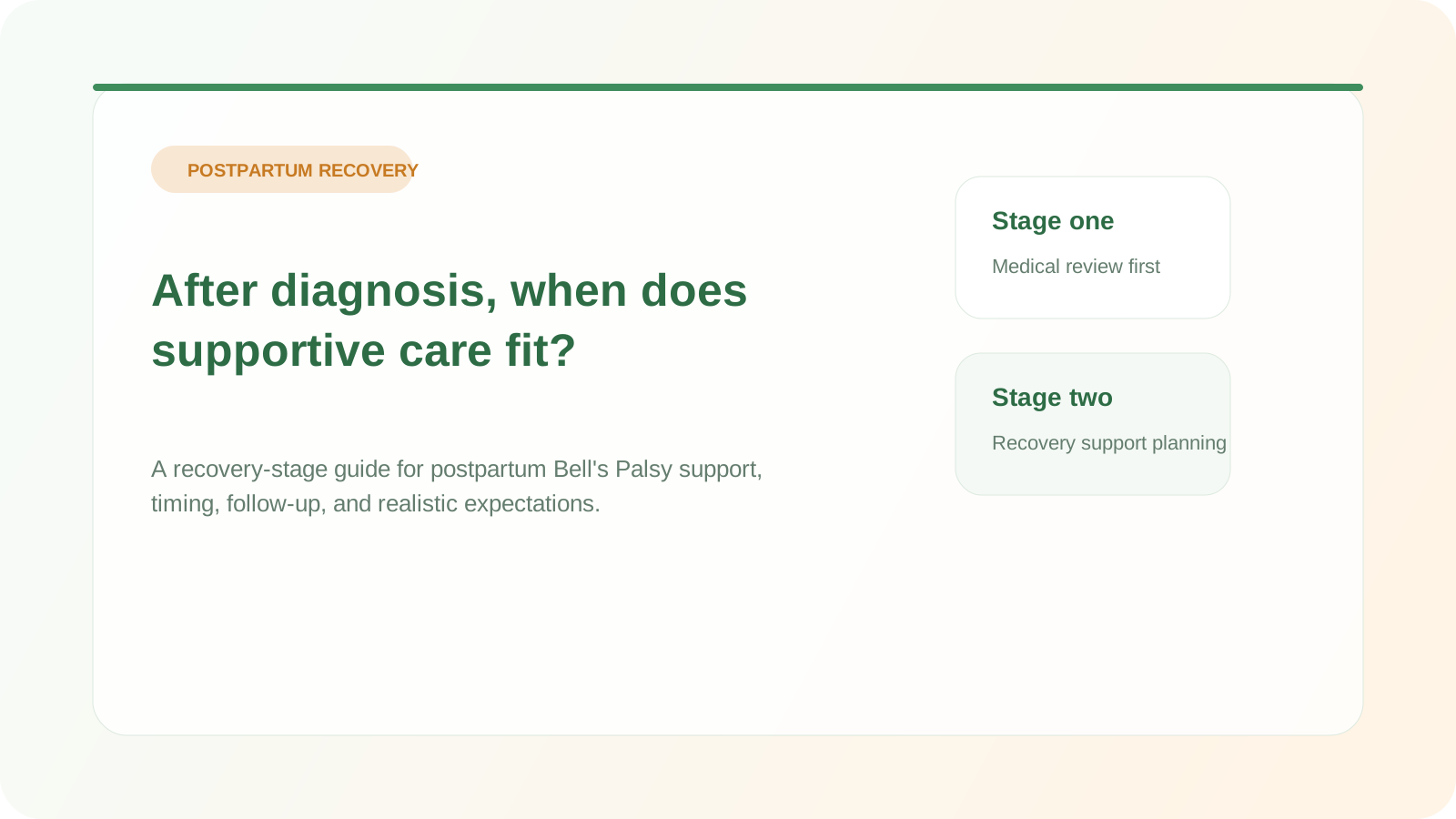
One of the most common postpartum questions is not only, “What should I do if facial weakness appears?” It is also, “If I have already seen a doctor, when does supportive care make sense afterward?”
That distinction matters. The emergency-stage question and the recovery-stage question are not the same. Mixing them together usually creates more anxiety, not less.
First separate the stages clearly
The early stage is about medical assessment, diagnosis, and urgent decision making. The later stage is about recovery support, follow-up rhythm, comfort, and realistic expectations.
Supportive care usually belongs in the second stage, not the first.
Why postpartum recovery makes timing harder
Postpartum clients are rarely recovering from one thing at a time. They may be dealing with:
- broken sleep
- feeding demands
- physical exhaustion
- emotional stress
- a daily schedule that already feels overloaded
Because of that, even after diagnosis, many people still feel unsure about when it is appropriate to add another layer of care.
What supportive care is usually trying to do in this phase
Once medical assessment is complete and recovery is underway, supportive care may be used to help with:
- creating a steadier recovery rhythm
- improving comfort and follow-up consistency
- clarifying what changes should still be watched closely
- supporting a less chaotic recovery process
This is why Bell’s Palsy supportive care is best understood as recovery support rather than early diagnosis support.
When contacting the clinic first may be wiser than booking immediately
Even after medical review, it may still be worth contacting the clinic first if:
- you are unsure whether recovery has stabilized enough
- symptoms have changed recently
- you were given specific medical follow-up instructions
- you are not sure what supportive care is supposed to help with
For postpartum clients, that extra clarification can be especially useful because life is already full and decision fatigue is high.
What a first visit may help make clearer
A first supportive visit may help answer questions like:
- What is the most realistic goal right now?
- What should be monitored between visits?
- When does supportive care make sense, and when should care move back toward medical reassessment?
- How can recovery support fit into postpartum life without becoming one more source of stress?
Those questions are often far more useful than asking whether one visit will “fix” everything.
What to think about between visits
Between visits, people usually benefit most from paying attention to pattern changes, comfort, eye protection, and anything that feels significantly different from the day before. Recovery support works best when it stays connected to observation, not guesswork.
That is especially true postpartum, where fatigue can make it tempting to dismiss important changes too quickly.
Why this deserves its own article
The question of “Should I seek medical care first?” is different from “When may supportive care fit after medical care?” They deserve separate answers. Keeping them separate gives postpartum readers a clearer decision path and reduces the chance that recovery support gets misunderstood as the first step.
Professional context
Bell's palsy content needs a more explicitly medical framing than general wellness topics. Supportive care content can be useful, but it should always acknowledge the importance of timely medical assessment and eye protection.
When medical assessment matters first
Sudden facial weakness needs urgent medical assessment, especially because stroke and other neurological causes must be excluded. Early treatment is time-sensitive.
Professional references
- Bell's Palsy (NINDS)
- Bell's palsy (NHS)